Featured

Weather watching before diving

The preparation for a dive trip is, in my opinion, one of the most exciting times. Getting all the gear prepared, booking the hotel, all the anticipation for what you believe is going to be an epic dive. One of the most disheartening moments is finding out that the weather isn’t necessarily cooperating with your dive plans. Please don’t think that we only are referring to rain or thunder storms in regard to how weather can ruin dive plans. It can be perfectly sunny without a cloud in the sky, yet the weather can completely ruin your dive. Wind is one of the largest hindrances to diving. A cool breeze can be refreshing, a wind speed of 25 to 30 knots can create large swells and ocean surges which make diving virtually impossible.

Checking the weather prior to a dive is something we constantly do. There are multiple weather apps which we have on our phones that help give us an indication of what the seas could be like. It is rare, especially in Florida, to have flat calm seas. If you get easily sea sick, it is best for you to take Dramamine the night before your dive and the morning of your dive; however, even taking Dramamine doesn’t mean you won’t get sick.

Don’t try to be a cowboy and go out on the water if the seas are large. We’ve heard stories of some divers who pushed to go on dives in 8-10 foot seas and immediately regretted it. One diver was recently telling us that the ocean surge was so strong that she soon became tired and actually felt nauseous at around 50 feet. She informed us that her and her husband elected to push through and go on the water even though the dive shop informed them that the wind and waves were at a height which would make the dive miserable.

You want your dive experience to be enjoyable, not to be a chore. Not to mention, dive shops can simply tell you “no” that they won’t take you out on the water if the weather is too rough. This is well within their right and the more responsible dive charters will decline to take divers out.

Ultimately, if you see that the wind speed is high, try to book your dive another day or at a different time during that day. Bear in mind, if the wind has been roaring for 5 days and seas have been growing over the course of those 5 days, visibility will most likely be diminished. Being a diver means watching the weather and carefully coordinating your dive. Don’t try to force anything, err on the side of caution.

Featured

Waterside Suites and Marina (Key Largo, Fl)

While we were in Key Largo, we stayed at the @watersidesuitesandmarina for the duration of our stay. Initially when we pulled up, we weren’t impressed. We were anticipating the traditional hotel, which of course is relatively large and somewhat fancy. Pulling into this hotel, left is somewhat lackluster. The hotel “lobby” is essentially just a desk in a room with someone behind it. The pool is pretty small and nothing really special. At the time, there appeared to be an issue with the pool pump, so a garden hose was in the pool in order to keep water circulating. Yes, if you’re wondering, it meant the pool water was actually pretty cold.

However, once we walked inside our hotel room, we fell in love. The hotel rooms are basically private condos. The main bedroom and main bath are upstairs while the living area is downstairs. The rooms were clean and spacious which is important to us since we have all our dive stuff. The bed was amazingly comfortable and the shower was really nice! Having the bedroom on the top floor gives you amazing views all throughout the day. There was also a second bathroom on the bottom floor, next to the kitchen. The kitchen had a stove, fridge, freezer, sink, and essentially anything else you’d possibly need or require. We loved staying there so much, we actually extended our stay by another day.

A large component for us when we travel is hotel price, we refuse to spend $300 dollars a night just for a hotel. That being said, we also aren’t looking to stay in a hotel that has roaches and rats or is in a bad area. We thought that for the price, which was extremely reasonable, this hotel really had everything we could ask.

This little hotel is an absolute gem, hidden in Key Largo. We had a great time, even though we had a minor issue with our room keys. Every day we we were there, for some odd reason our room key would stop working on our room door. We had to go do the lobby daily to get the keys changed. Even though this was a minor inconvenience, the staff was extremely helpful and immediately got us new keys. In any case we think this hotel is⭐⭐⭐⭐⭐. We hope that if you’re traveling to Key Largo, you check out this little hotel!

Reef Safe Sunscreen

😯 Did you know, up to 6,000 tons of sunscreen are estimated to wash into 🌊coral reefs around the globe each year⁉️

🏞 The National Park Service also cautions, rather than being evenly distributed, much of that sunscreen is concentrated at popular diving, swimming, and snorkeling sites—such as national parks. It might seem like an innocent thing to do, especially since as children we’re taught to always put on sunscreen before going to the beach. As we grow and learn more about our environmental impacts, it is important that we take the right actions to help mitigate any potential hazards or negative impacts.

☀️ If you use sunscreen while at the beach make sure that you check the label before you put it on. If you’re in the store and you’re going to buy some sunscreen, check the label before you pay for it. Make sure your sunscreen does not contain the following harmful substances on the HEL list:
🚫Oxybenzone
🚫Octinoxate
🚫Octocrylene
🚫4-methylbenzylidene camphor
🚫PABA
🚫Parabens
🚫Triclosan
🚫Any nanoparticles or “nano-sized” zinc or titanium (if it doesn’t explicitly say “micro-sized” or “non-nano” and it can rub in, it’s probably nano-sized)
🚫
Any form of microplastic, such as “exfoliating beads”

⚠️ Make sure that the sunscreen you buy is labeled with the PS&L “Protect Land + Sea.” certification mark. ⚠️

🤔 The PL&S Certification Seal means that the product has been laboratory‐tested using analytical‐forensic techniques to verify that the product is free of the chemicals that are on the “HEL LIST.”📝

🌎 The HEL(Haereticus Environmental Laboratory) LIST is a list of chemicals that are known pollutants in many different environments (freshwater streams, river, beaches, and ocean systems) or wildlife (e.g., corals, fish, birds, marine mammals, sea turtles). All of them pose a threat to Ecosystem Health.🌏

If we all work together and are mindful of the environment, we can start seeing some positive changes. If we choose to ignore the signs that we’re seeing from the ocean, we can witness the eradication of our coral reefs within our lifetime.

If you have questions, please feel free to message us! Check out our blog on instagram as well!

instagram.com/Next_Dive

You want to go diving, but you have not been diving in a long time. What do you do?

You want to go diving but you haven’t been diving in a long time, what do you need to do? The first thing we would suggest is to go to a local dive shop and sign up for a refresher dive course. If you do the refresher course, they’ll run you through all the basic points that you need to know as a diver. Say you haven’t been diving in just a few months, not a few years and you don’t feel like taking a refresher course, what are some key things you need to know.

The first thing you keep in mind is knowing you and your partner’s limitations and know what to expect from a dive. If you’re an open water diver with your deepest dive being 25 feet (7.6m), don’t sign up for a 100 foot (30m) wreck dive. If you are an experienced diver but you’re diving with someone who is a novice, don’t put them in a situation that is out of their scope of comfort. If you haven’t been diving in a long time, a difficult dive is not the best answer. Doing a shallow reef dive is most likely going to yield the greatest results and level of comfort for a diver who hasn’t been underwater in a good amount of time. Not to mention, if you do find yourself in 60 feet (18.2m) of water past your NDL (no-decompression limit) and something goes wrong, you can’t swim straight up to the service due to having to perform a decompression stop. If you’re on a 25 (7.6) foot deep reef and something goes wrong, you can swim to the surface without issue. So, the first thing we’d suggest is knowing your boundaries and limitations. Pushing your limits can get you killed while diving or at the least it can get you or those around you seriously injured.

The second thing you need to know are the hand signals other divers might give you underwater and what to do if someone runs out of air underwater. If you haven’t been diving in a long time and your partner runs out of air, you might not remember how to help give them additional air. Not to mention, what might happen if you find yourself out of air, are you going to remember what to do? Reading this, you might find yourself thinking, “yeah I kind of remember but I am sure I would figure it out if it happened.” That is the kind of thinking that could find you in a world of trouble if you did unexpectedly in a tough situation. So reviewing the different hand signals used underwater is definitely going to help you, so review the procedure for what to do if someone runs out of air.

Reviewing buoyancy is key for diving as well. The last thing you want to do is get underwater and have forgotten how to balance your buoyancy. We went diving not too long ago and there was an older gentleman who admitted that he hadn’t been diving in quite a while and was doing a reef dive in order to prepare for a trip to the Caribbean. This particular gentleman was a little older and made reference to the fact that he’d been diving for 30+ years. Once we got underwater, he immediately started having problems with buoyancy. He would sink to the bottom or be floating to the surface. He was kicking erratically and overall just appeared to be uncomfortable underwater. Hubris can be common, this is why being humble and going over the basics is the best thing to do. Put pride and ego aside and if needed, start at square one until you start remembering your training.

Finally, knowing what gear you need to bring and how to clear your mask. If you own your gear, get it serviced before you go diving. Most recommend getting your gear serviced once a year or every 100 dives; however, if your gear has been sitting in a closet for 5 years then you should get it serviced before taking it underwater. Your BCD, first and second stage can get serviced in usually 7-21 days depending on the dive shop. Examine your mask, fins, wetsuit, compass or dive computer, even your dive booties. Look for any deficiencies, you don’t want to find that something is wrong with your mask once you’re on an actual dive. Look up how to set up your gear too in case you’ve forgotten. Know how to put your first stage on the air tank or how to connect your tank to your BCD. Going back to hubris, it might not be a totally bad thing to look up how to set up your gear so you don’t look completely lost and confused while on the dive boat with other divers. Not to mention if you look confused simply setting up your gear, it won’t instill confidence in you in the eyes of the other divers on your boat. As I said before, knowing how to clear your mask is massively important. If your mask starts to flood while you’re diving, are you going to remember what to do? What if something pulls your mask off, will you remember how to calmly put your mask back on? If you’re not sure how to clear your mask, ask a dive buddy or look it up online.

All these things mentioned will help keep you and everyone around you safe. If you haven’t been diving in a long time, don’t be afraid to get back into it. Do some research before you go diving and you’ll be fine. Know where you’re diving and if you need to, tell the shop who you’re diving with that you would prefer a shallow reef dive over a deep dive.

We hope this helps, the main thing is that you get back into the water and keep diving!

What do I need in order to start taking Scuba Diving classes?

Say you’re about to sign up for a scuba diving course in order to become a diver, what do you need? Some people will tell you to essentially buy the farm before you start diving, meaning to buy every piece of gear known to man. Others tell you that you don’t need anything. Is there a middle ground?

The first thing we recommend is to scope out different dive shops. Dive shops are similar, but they can also be extremely different. It is best to find a dive shop that suits you and your needs the best. Finding a dive shop that has a schedule that works with yours is also very important. One thing that we found when looking for a dive shop was that some are very strict in terms of when they have their classes. When we called around, some of the dive shops told us that they have classes every Tuesday, Wednesday and Thursday for two or three weeks, while other dive shops were more flexible. Some dive shops also will offer classes over the course of 3 days meaning that by the third day you will be dive certified.

So, you find your perfect dive shop, you sign up for the open water dive course, now what? You are definitely going to need a few things prior to getting started. The first thing you’re going to need to get is a dive mask. Just a warning, beware that you might have to spend a little money on the gear. Try to keep this in mind, the gear you’re buying is designed to keep you alive underwater. That being said, if you go to a local convenience store and buy some cheap mask, don’t expect it to have positive results once you get below 10 feet or further. Personally, my mask cost me around $140.00, it is the SCUBAPRO GORILLA FRAMELESS DIVE MASK . Trust me, initially I decided to buy a cheaper mask because I didn’t want to spend the money, consequently I had to buy a better and more expensive mask because the cheap mask kept leaking. There aren’t many things as bad as being 25 feet down and having your mask constantly filling up with water. A dive mask is definitely something you want to ensure is best for you.

Secondly, you’re going to need dive fins. At first I purchased the Scubapro Jet Sport fins, which worked great! The one thing I wasn’t a fan of was that the ankle strap which needed to be manually clipped in. After a little while, I decided to buy the Scubapro Seawing Nova which have the bungee strap for the ankles which is a whole lot easier donning and doffing (putting on and taking off) when you’re in the water and trying to get back onto the boat. The price for the Scubapro Jet Sport were around $60.00 dollars while the Seawing Nova have a retail price of around $220.00. The Jet Sport really did work well for me, I just decided to upgrade.

You’re also going to need to buy yourself a snorkel. Think about it like this, if you’re on the surface then you don’t need to breathe your air tank down. Your air is valuable, so you’re going to want to save it for when you’re underwater. Snorkels help you conserve your air. There are a bunch of variations of snorkels, at the end of the day, you don’t need anything fancy or expensive.

Along with the dive fins, you want to get dive booties. You can buy fins that don’t require dive booties, but it would be best if you bought the booties to help keep your feet warm, protect your feet from blisters and you can also wear the booties without fins in order to walk around. Usually the dive booties have thicker soles to help protect your feet from sharp shells and from the reef.

A wetsuit is also something that you should look into purchasing and I’ll give you the exact reason why. When my wife and I were in St. Thomas, we were swimming around and looking at all these amazing fish. I was exploring an area of the reef when the current pushed me this old mooring line. Immediately I felt this burning feeling in my arm, I looked on the line and couldn’t see anything glaringly obvious. into an anemone. On closer inspection, I found a small sea anemone on the rope. A great benefit of using a wetsuit is that it helps protect you from some stinging sea life. Wetsuits will also keep you warm while you’re swimming. As you stay underwater, you start loosing body heat, the wetsuit will help you maintain a warmer body temperature.

Depending how into diving you get, purchasing a dive computer might also be something you consider. Though this could be something that is further down the line.

So, here is a list of things you’re definitely going to need to buy or should consider buying.

  1. Mask
  2. Fins
  3. Snorkel
  4. Dive Booties
  5. Wetsuit
  6. Dive Computer

If you become an avid diver like myself and my wife then you can also look into buying a full set of gear. Other parts of the gear include BCD, first and second stage, dive weights, alternate air source if your BCD doesn’t have an Integrated Air2. Dive bags, weight bag and regulator bags also come in handy. Purchasing a full set of dive gear isn’t cheap, so if you want to buy a set of dive gear be ready to drop some cash. We dive multiple times a month, so for us, it made sense financially to buy our own gear instead of constantly having to pay to rent it.

If you’re thinking about signing up for a dive course in order to become a scuba diver DO IT!! Don’t hesitate, just do it! It is the most amazing experience ever. If you have any questions please feel free to message us on here or look up Next_Dive on instagram or facebook!

Hope this was helpful!
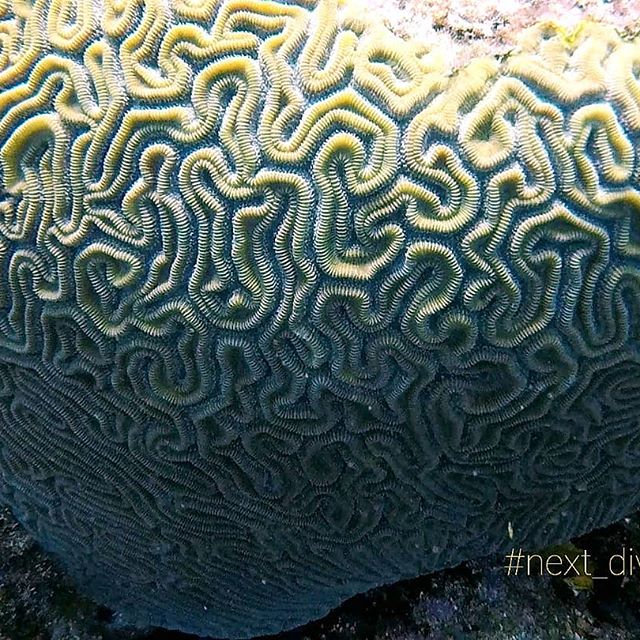
What to do in the Keys when you can’t be on the water….

You travel down to the beautiful Florida Keys in hopes of having a few days of scuba diving, fishing, boating, etc. When you finally arrive, you are greeted with storms and high winds, basically the type of weather that will keep you off the water. So, what do you do? You already paid for the hotel, so no point in going home, what do you do? We’ve heard so many people tell us that the only thing the Florida Keys has is Key West, which couldn’t be further from the truth. The Florida Keys is extremely rich in history and beautiful sites, sites that aren’t on the water.

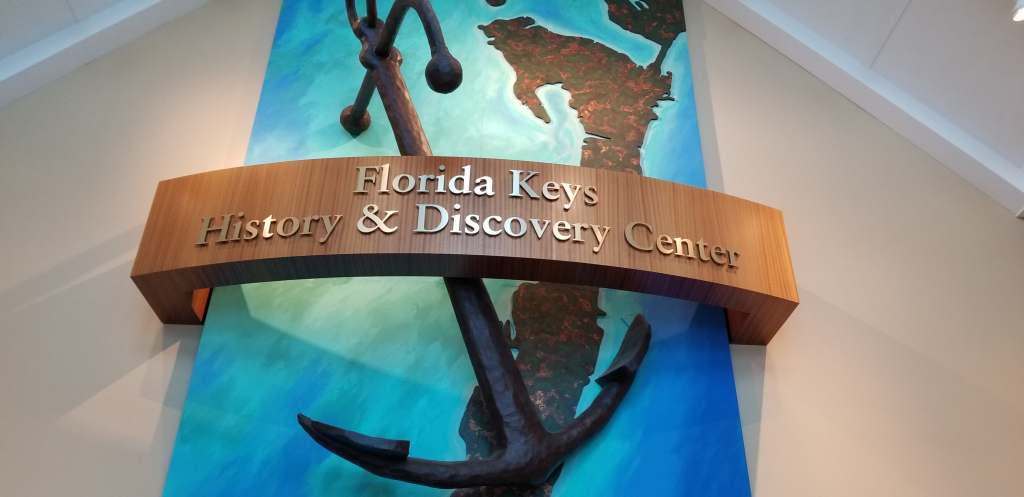
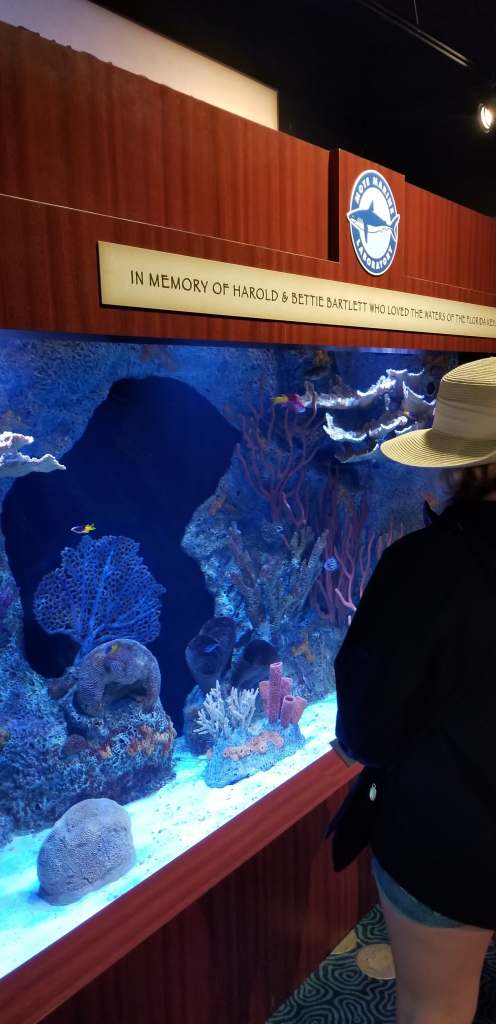
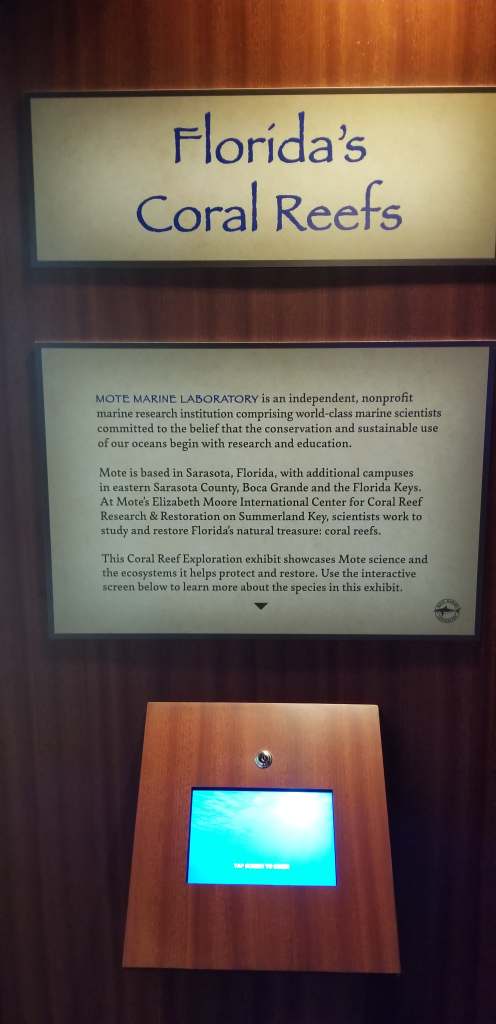
The Florida Keys History and Discovery Center is one amazing place that we happened to discover. This museum is located in Islamorada, just off US 1 behind the Islander Resort. When you walk inside, you see the true history of the Florida Keys, there are big aquariums which show Coral Reef research being done by Mote Marine. There are pictures and historic artifacts dating back to the earliest days of the Florida Keys. You can also learn about local favorites like how Robbie’s initially got started.

Walking into the Florida Keys History and Discovery Center
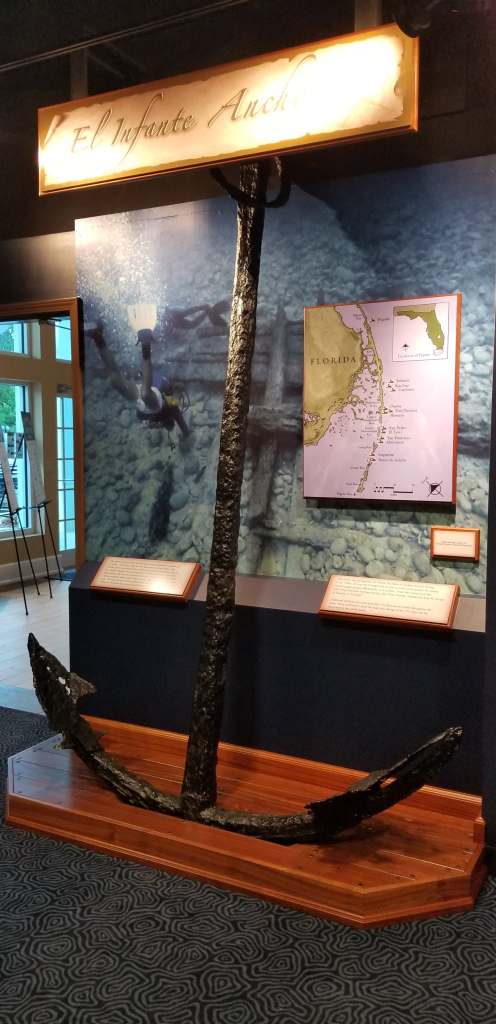
One of my favorite artifacts in the entire museum!
Beautiful tanks which help relay all the research being done by Mote Marine Laboratories to help with Coral Reef restoration!
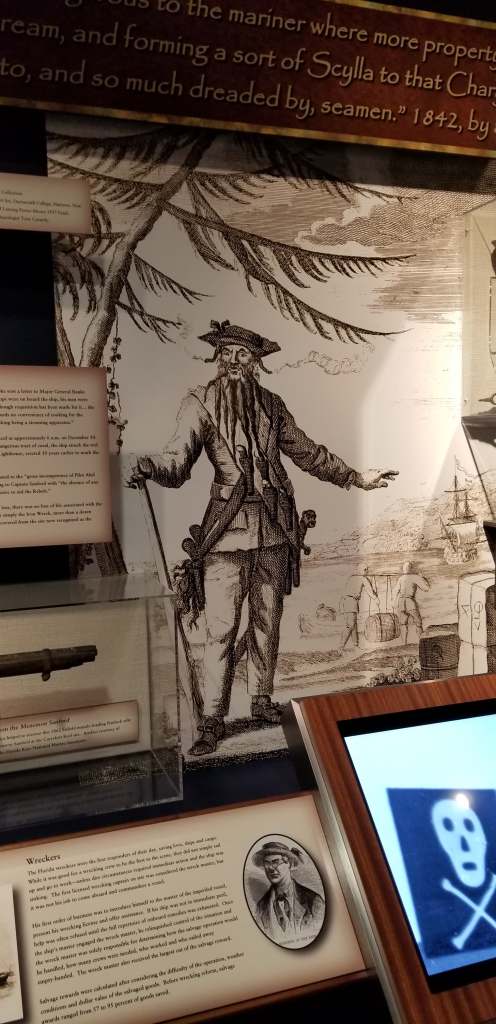
Because who doesn’t think Pirates are cool?!

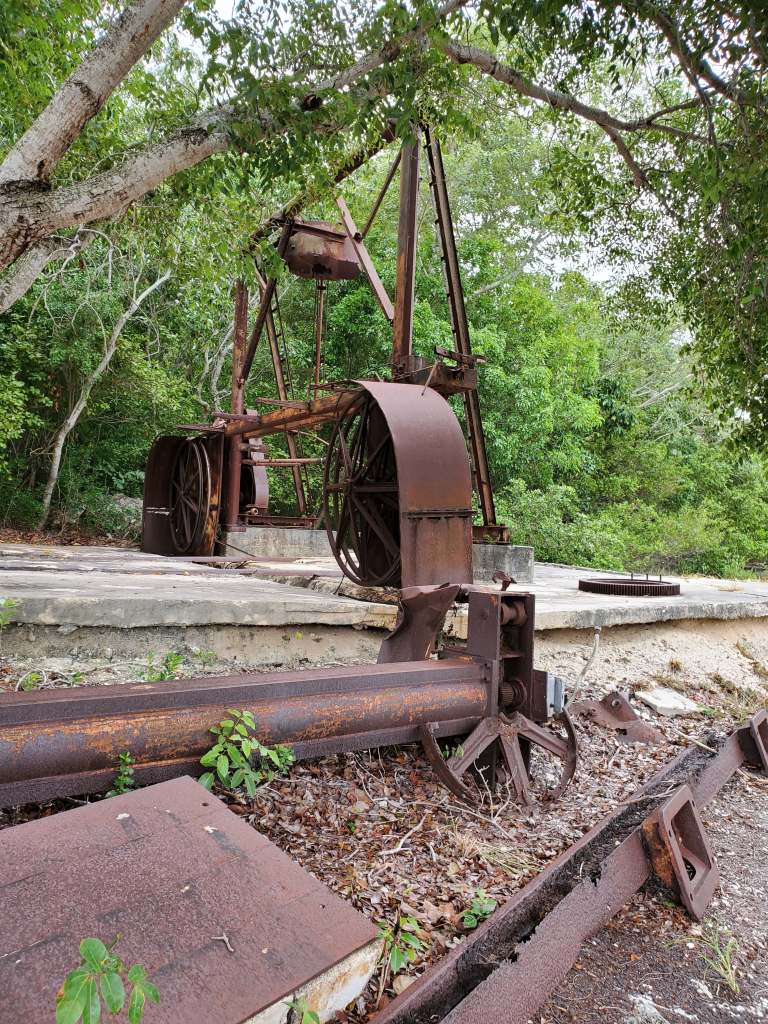
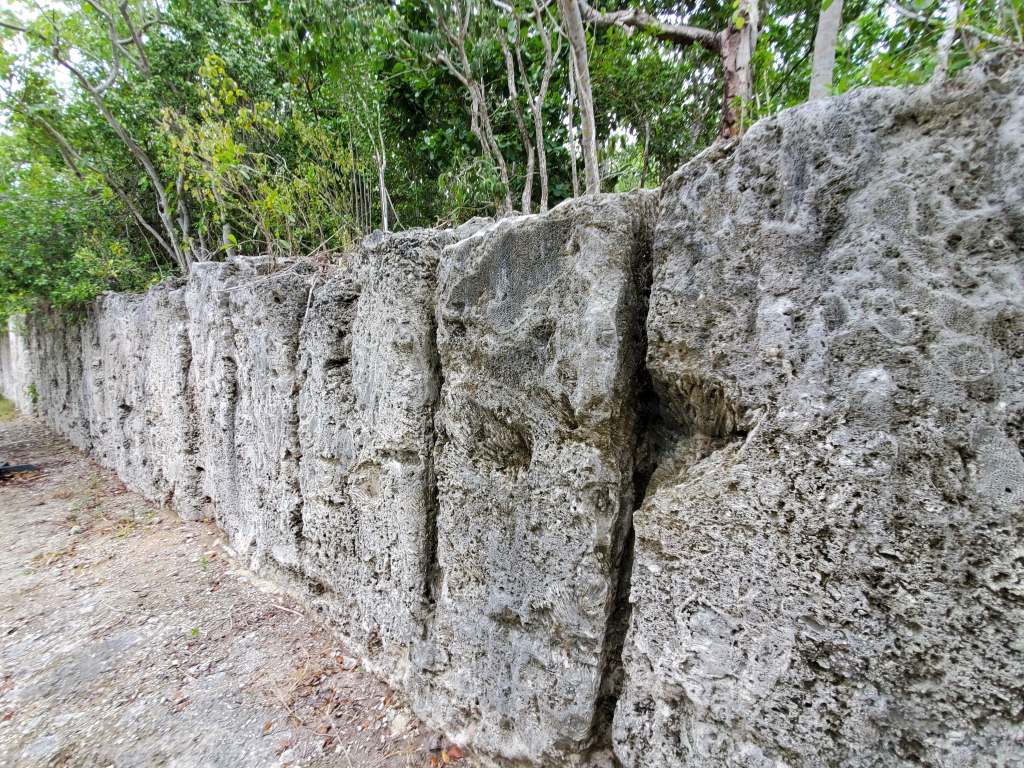
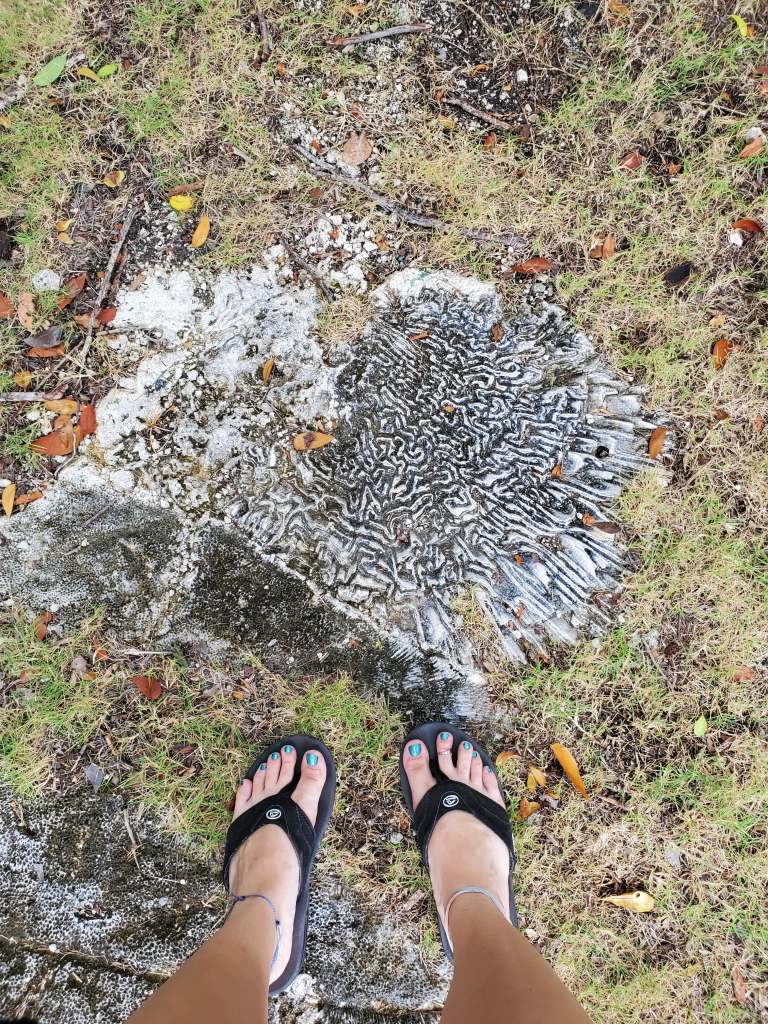
The Florida Keys History and Discovery Center was definitely an awesome place to check out. Another place that we discovered was the Windley Key Fossil Reef Geological State Park! This place is truly a hidden treasure. It highlights all the history surrounding how key limestone was mined and harvested along with the history of the railroad and how it helped shape the Florida Keys. This park had beautiful walking trails and some phenomenal sites. The history is right in front of your eyes as you’re walking around. Admission is only $2.50 and hours can be spent here looking at everything!

The Florida Keys is so much more then just hanging out on the water. If you do make it down to Key West and the weather is still rough, check out the Mel Fisher Maritime Museum, or even the Shipwreck Museum! There are tons of things to do on Duval Street or near Mallory Square. Obviously if we had our way we’d be scuba diving every day, but when you have an opportunity to explore the rest of what the Keys have to offer, don’t pass it up!

Clean your dive gear whether it is rented or owned.

Not too long ago I was talking to someone who made a comment regarding their rented dive gear. They said that since they rented the gear, after diving they don’t wash or clean it. Essentially, they were saying that it is the dive shop’s problem. This type of thinking couldn’t be further from the truth. Yes, dive shops rent gear out and no it isn’t going to be the absolute top of the line gear, but that doesn’t mean you can misuse or mistreat it. If you rented gear, treat it like it is your own. It is imperative that gear is well treated and well maintained.

So, how do you maintain and take care of gear? First off, the last thing you want to do is throw wet gear into a bag and then throw it into your trunk. Basically, if you have gear that has gone in salt water, it needs to be washed and cleaned. What we use is Simply Green, it is an all purpose cleaner that you can get at virtually any convenience store. We bought ours at Walmart for around $1.50. We pour a small amount into a large tote container and fill it with fresh water. Before we soak any of our gear, we hose it off with fresh water. One of the things that we do soak our gear in the fresh water and simply green for around 60 seconds. After a minute or so, take the gear out and then place the gear in a well ventilated area. One of the things that we do is change our the water in the wash bin after we soak our BCDs and after we soak our wetsuits. The reason why we change the water is due to the amount of salt water accumulation on the BCDs and wetsuits. Once you soak your wetsuits, turn them inside out and then hang them. Also, make sure you have all the water out of the BCD. Always hang up your gear, don’t pack wet or damp gear.

Also, like we said previously, if you rent dive gear then you must treat it and care for it like it is your own. For more information about how to care for dive gear, please message us!

https://www.facebook.com/pg/next_dive-101094748072732/about/

https://www.instagram.com/next_dive/

Design a site like this with WordPress.com
Get started